Food sold in Nigerian markets and on the streets is an important part of everyday life. From akara and pap in the morning to roasted meat, rice, beans, yam, fruits and other ready-to-eat meals, millions of Nigerians depend on vendors for affordable and convenient food.
Street food itself is not automatically unsafe. The real issue is how food is produced, handled, displayed, stored and sold. When hygiene and environmental conditions are poor, food can become contaminated before it reaches the consumer. The World Health Organization (WHO) describes food safety as a shared responsibility involving vendors, consumers, authorities and others throughout the food chain (WHO, 2022).
Why Nigerian markets deserve attention
A food market is more than a place where food is bought and sold. It is an environment where food, people, animals, water, waste, equipment and surfaces can come into close contact.
During Environmental Health Science training and field activities, one important lesson is that environmental conditions can directly influence health. A food item may be nutritious, but if it is exposed to contaminated water, dirty surfaces, pests or unsafe handling, its safety can change.
WHO notes that food can become contaminated at any stage of production and distribution, including in markets and food-service environments (WHO, 2024).
This is why food safety cannot be separated from environmental sanitation.
1. Poor hand hygiene
The hands of food handlers can become a major route for contamination.
A vendor may handle money, touch a phone, clean a surface and then serve food without washing their hands properly. If harmful microorganisms are present, they can be transferred directly to food.
This is particularly important for ready-to-eat foods because consumers may eat them without further cooking.
WHO and FAO recommend that street-food vendors wash their hands with soap and clean water, maintain clean clothing and keep utensils and vending surfaces clean and protected (WHO & FAO, 2022).
2. Unsafe water
Water is essential for preparing food, washing utensils, cleaning surfaces and maintaining personal hygiene.
However, using water simply because it looks clean does not guarantee that it is microbiologically safe. Contaminated water can introduce disease-causing organisms into food and onto equipment.
WHO specifically recommends the use of potable water for drinking, cooking and making ice in street-food operations (WHO & FAO, 2022).
This makes water supply an important Environmental Health concern in markets.
3. Raw and cooked food coming together
Another common concern is cross-contamination.
Imagine a vendor cutting raw meat and then using the same knife or cutting board for cooked meat, vegetables or other ready-to-eat foods without proper cleaning. Microorganisms from the raw food can be transferred to food that will not receive further cooking.
Cross-contamination can also occur through hands, plates, towels, containers and preparation surfaces.
Separating raw and cooked foods is therefore not just a kitchen recommendation. It is an important food-safety control throughout markets and street-food businesses (WHO & FAO, 2022).
4. Food exposed to dust, insects and animals
Open food is vulnerable to its surroundings.
Dust can settle on exposed food, while flies and other insects can move between waste, contaminated surfaces and food. Animals around food-selling areas can create additional contamination risks.
This is why WHO’s guidance for safer traditional food markets includes keeping markets clean, avoiding contamination, keeping food products safe and reducing contact with animals (WHO, 2023).
Covered containers, clean display areas and proper waste management are therefore practical food-safety measures.
5. Poor temperature control
Temperature is another environmental factor that can determine whether food remains safe.
Cooked food that is left for long periods at unsuitable temperatures can provide conditions in which some microorganisms multiply. Refrigeration is important for foods that require cold storage, while adequately cooked hot foods should be maintained safely until they are consumed.
WHO and FAO recommend keeping prepared foods hot above 60°C or cold below 5°C, where appropriate, and cooking food thoroughly to at least 70°C (WHO & FAO, 2022).
For many small vendors, however, access to reliable electricity, refrigeration and suitable storage can be challenging. Improving food safety therefore also requires attention to infrastructure.
6. Waste and drainage around food premises
Food cannot be considered safe if the environment surrounding its preparation and sale is neglected.
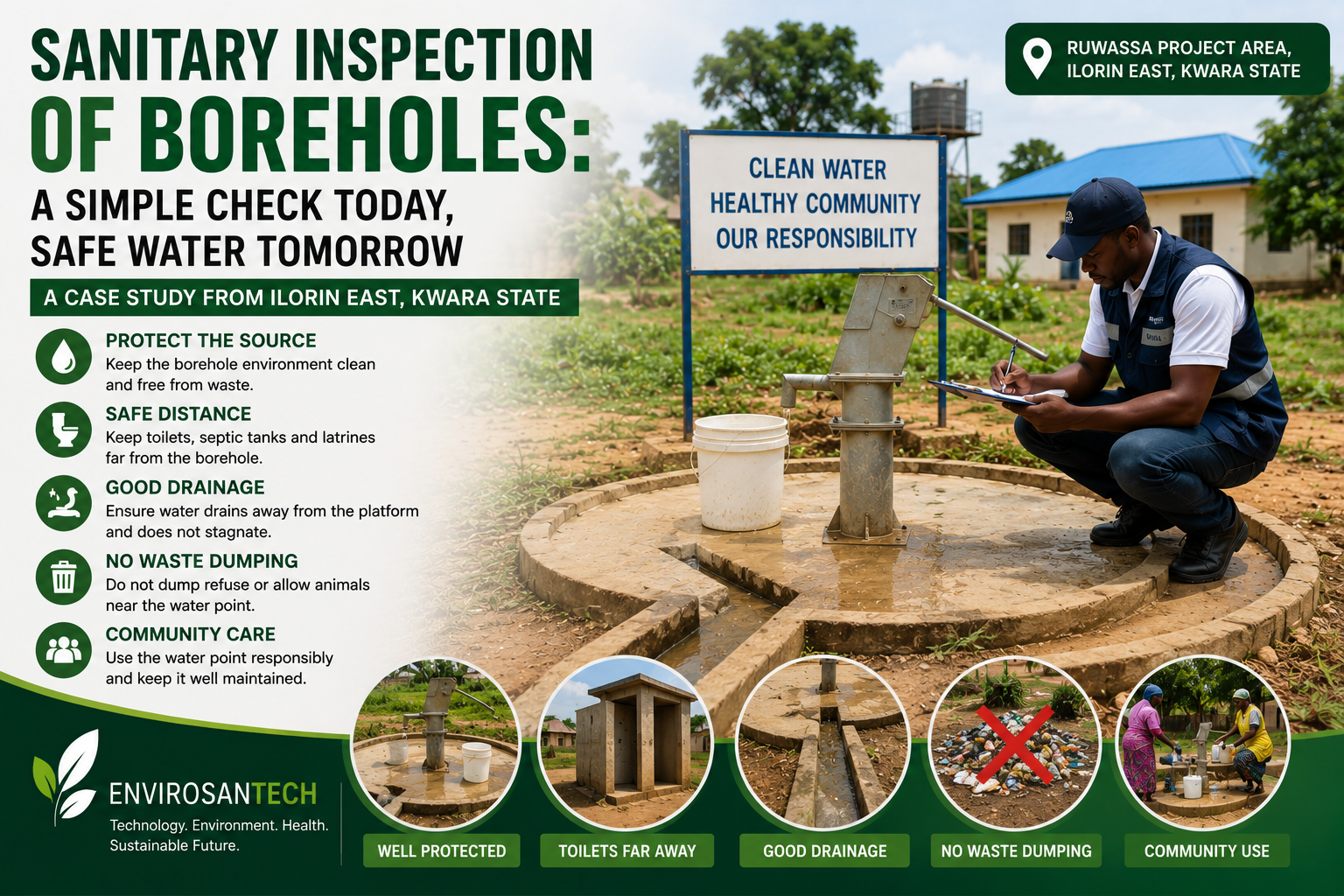
Accumulated refuse can attract flies, rodents and other pests. Blocked drains can create stagnant water and unpleasant sanitary conditions. Wastewater discharged around food-selling areas can also make the environment difficult to keep clean.
This is where Environmental Health becomes particularly important. Food hygiene involves more than the food itself; it includes the premises, water supply, waste disposal, pest control, equipment and personal hygiene of food handlers.
7. Food-handler training matters
A vendor may have good intentions but still lack the knowledge needed to identify food-safety risks.
Nigeria has already recognized the importance of training people across the food chain. In 2021, the Federal Ministry of Health launched unified food-safety training manuals designed for food vendors, handlers, manufacturers and other personnel involved in the food supply chain (WHO Africa, 2021).
The NAFDAC Food Hygiene Regulations, 2025 also require food handlers to maintain personal cleanliness, wear suitable protective clothing and meet relevant health and training requirements. The regulations additionally address the design, cleanliness, equipment and ventilation of food premises.
Training should therefore not be viewed as a one-time activity. Food handlers need continuous education and supervision.
Street food should not be condemned
It is easy to look at a poorly maintained food stall and conclude that all street food is dangerous. That conclusion would be too broad.
Street food provides employment and affordable meals for many people. WHO and FAO recognize that improving street-food safety can benefit both vendors and consumers through better practices, consumer confidence and safer working environments (WHO & FAO, 2022).
The objective should therefore be safer street food, not the elimination of street food.
What can Environmental Health professionals do?
Environmental Health professionals have an important role in creating safer food environments.
Their responsibilities can include:
- inspecting food premises;
- assessing sanitation and hygiene conditions;
- monitoring water quality and availability;
- educating food handlers;
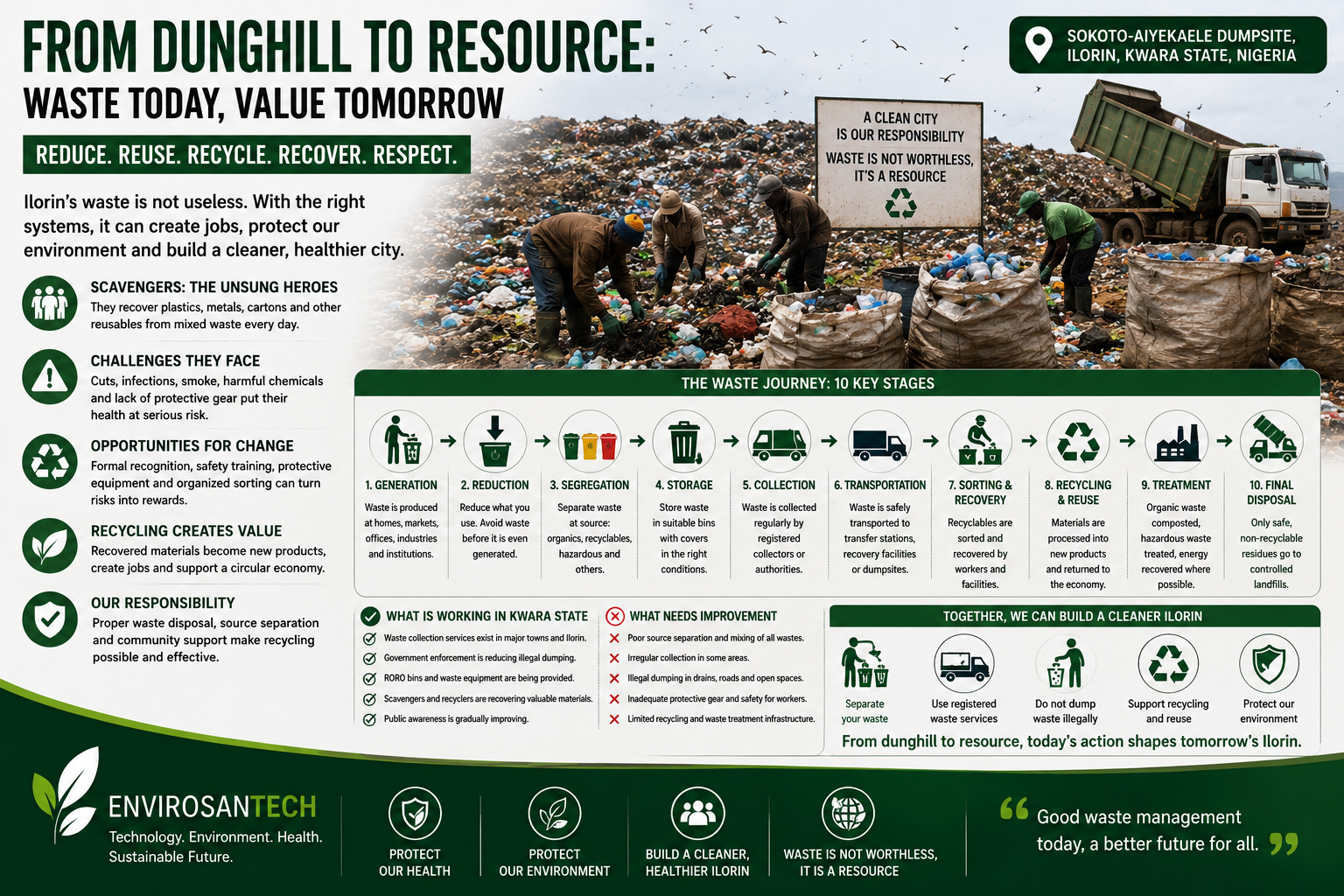
- promoting proper waste disposal;
- monitoring pest-control measures;
- identifying food-safety hazards;
- supporting compliance with regulations; and
- educating consumers about safer food choices.
WHO emphasizes that governments and authorities have responsibilities for checking food handling, storage, transportation and preparation in markets, while also improving infrastructure, training vendors and educating consumers (WHO, 2020).
What can consumers do?
Consumers also have a role.
When buying ready-to-eat food, look at the environment around the vendor. Is the food covered? Are utensils reasonably clean? Is raw food kept separate from cooked food? Is the vendor handling money and food with the same unwashed hands? Is waste accumulating around the stall?
Consumers can also encourage better practices by choosing vendors who demonstrate good hygiene.
Food safety is therefore not only the responsibility of government agencies.
Conclusion
Nigerian markets and street-food businesses are essential parts of our food system, but they can also present environmental health challenges when sanitation and food hygiene are neglected.
The solution is not to fear every meal prepared outside the home. It is to identify risks and control them.
Clean water, proper hand hygiene, separation of raw and cooked foods, adequate cooking, safe storage temperatures, pest control, waste management, clean premises and trained food handlers can significantly improve food safety.
Ultimately, a safe food environment begins before the food reaches the plate. When vendors, consumers, Environmental Health professionals and regulatory authorities work together, Nigerian markets and street-food businesses can provide food that is not only affordable and convenient, but safer for everyone.
References
- World Health Organization. (2026). Food Safety.
- World Health Organization & Food and Agriculture Organization. (2022). Food Safety Is Everyone’s Business in Street Food Vending.
- World Health Organization. (2024). Guidance on Safe and Healthy Food.
- World Health Organization. (2020). Q&A on Safe Food in Markets.
- World Health Organization. (2023). Five Keys for Safer Traditional Food Markets.
- World Health Organization Regional Office for Africa. (2021). Nigeria Strengthens Food Safety, Launches Unified Training Manuals.
- National Agency for Food and Drug Administration and Control (NAFDAC). (2025). NAFDAC Food Hygiene Regulations, 2025.