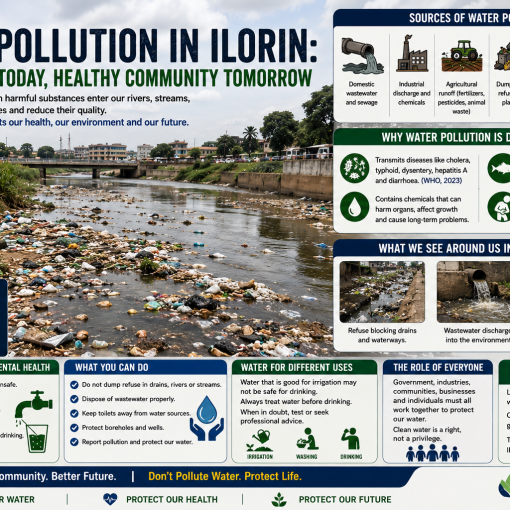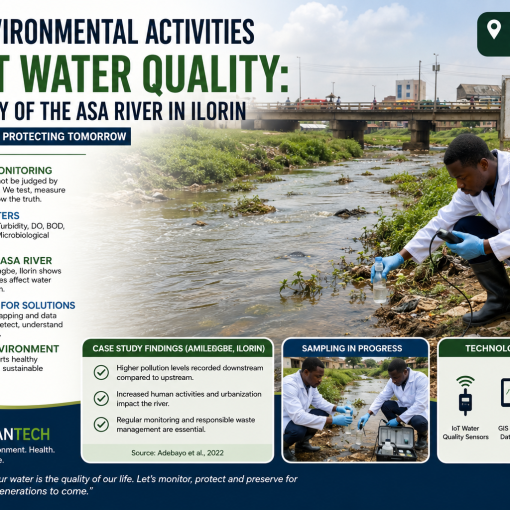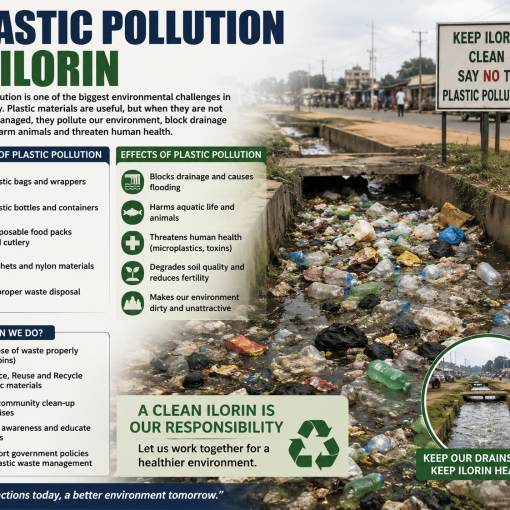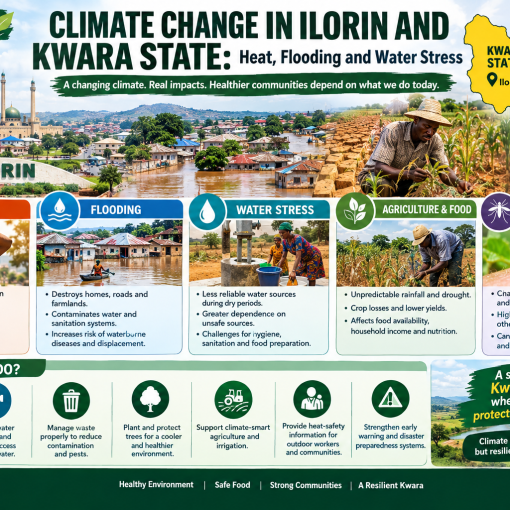
Environmental sanitation is an important part of protecting human health and maintaining clean, safe, and sustainable communities. It also involves managing all other environmental conditions that can affect human health, biotic and abiotic components, including waste, wastewater, sanitation facilities, pollution, hygiene, and other environmental disasters. The World Health Organization realizes safe sanitation as an essential component of protecting health and recommends methods that address risks throughout sanitation systems (WHO, 2018).
In the world today, as population grows larger and communities becomes properly utilized and urbanized, The scope of sanitation maintenance and achievement becomes difficult to achieve. At the same time, the century developments in science and technology, engineering, digital systems, and environmental management are providing new ways to address these challenges. This achieved connection between sanitation and technology bridges the gap and is known as environmental sanitation technology.
What Is Environmental Sanitation Technology?
Environmental sanitation technology refers to the application of scientific knowledge, engineering methods, equipment, digital systems, and innovative processes to prevent environmental contamination, manage sanitation-related hazards, and protect human health and community.
It includes the series of technologies used for waste collection and treatment, water and wastewater management, pollution control, environmental monitoring, sanitation infrastructure, hygiene, and resource recovery.
Environmental sanitation technology transcends the scope of simply cleaning the streets, our homes or the public spaces that we are linked with. The idea of modern sanitation requires a system or a collection of systems that can easily identify the environmental hazards, prevents contamination and pollution, manage all waste safely and reduce community hazards.
The appropriate technology depends on factors such as local environmental conditions, available infrastructure, financial resources, and community needs. WHO’s sanitation guidance emphasizes managing health risks throughout the sanitation service chain rather than concentrating on only one stage (WHO, 2018).
Why Environmental Sanitation Matters
Poor sanitation of the environment can contribute to environmental contamination and increase people’s exposure to health hazards.
Improper management of human wastes can contaminate water sources and thus expose the origin community as well as neighbouring communities to microbes that causes diseases. Poor handling of solid wastes can also contribute ot the blockage of drainage, cause unpleasant odours, pollution and conditions that supports vectors.
The health importance of sanitation makes proper planning, operation, maintenance, and monitoring essential. According to WHO, unsafe sanitation is associated with the transmission of several diseases and can have significant consequences for public health (WHO, 2018).
Technology can support sanitation activities by improving monitoring, efficiency, data collection, waste management, and decision-making. However, technology cannot replace good sanitation practices, effective regulations, adequate infrastructure, or community participation.
Major Areas of Environmental Sanitation Technology
1. Waste Management Technology
Waste management is one of the major areas of environmental sanitation technology.
Modern technologies can support the collection, transportation, sorting, treatment, recycling, recovery, and disposal of waste. Examples include waste compactors, mechanical sorting systems, composting facilities, anaerobic digestion, recycling systems, landfill monitoring, and digital waste-collection platforms.
Digital systems can also help waste managers monitor collection vehicles, identify service gaps, and improve collection routes.
The growing quantity of waste worldwide makes these technologies increasingly important. The Global Waste Management Outlook 2024 reports that municipal solid-waste generation could rise substantially by 2050 if current trends continue, emphasizing the need for waste prevention, improved management, and circular-economy approaches (UNEP & ISWA, 2024).
2. Water and Sanitation Technology
Water and sanitation technologies are essential to environmental health.
Technology is used in water treatment, water-quality monitoring, wastewater collection, wastewater treatment, and sanitation systems. Treatment processes may include filtration, disinfection, biological treatment, and membrane technologies.
Where conventional sewer systems are difficult to establish, decentralized wastewater treatment systems, improved septic systems, and other appropriate sanitation technologies can provide alternatives.
WHO’s Sanitation Safety Planning approach promotes a risk-based method covering different stages of sanitation, from containment and conveyance through treatment and final use or disposal (WHO, 2015).
3. Environmental Pollution Control
Technology can also help prevent and control pollution.
Industrial facilities may use pollution-control equipment to reduce emissions, while wastewater treatment systems can reduce pollutants entering rivers and other water bodies. Proper waste-treatment systems can also reduce some environmental impacts associated with uncontrolled disposal and open burning.
Pollution-control technologies are particularly valuable in urban and industrial environments where transportation, manufacturing, construction, energy production, and waste generation can place pressure on environmental resources.
4. Environmental Monitoring Technology
Good environmental management depends on reliable information.
Environmental monitoring technologies allow professionals and organizations to measure environmental conditions and identify potential hazards.
Examples include air-quality monitors, water-quality testing equipment, sound-level meters, soil-testing instruments, weather-monitoring devices, remote-sensing systems, and Geographic Information Systems (GIS).
For example, a sound-level meter can help determine the level of environmental noise in a community, while water-testing equipment can provide information about selected characteristics of a water source.
The information collected can support environmental health investigations, research, planning, and decision-making.
5. Smart and Digital Sanitation
Digital technology is increasingly being incorporated into sanitation services.
Smart sanitation systems can use sensors, GPS, mobile applications, cloud platforms, and data-analysis tools to improve service delivery.
For example, sensors can monitor waste-container fill levels, while GPS can help track waste-collection vehicles and optimize collection routes.
These systems can potentially help sanitation providers respond to problems faster and use available resources more efficiently. However, they require reliable infrastructure, technical expertise, maintenance, and appropriate data management.
6. Sustainable Sanitation Technology
Modern sanitation must also consider environmental sustainability.
Instead of viewing waste only as something that needs to be discarded, sustainable sanitation approaches can consider whether useful resources can be recovered.
Examples include wastewater reuse, composting, recycling, biogas production, nutrient recovery, water-efficient sanitation systems, and energy-efficient treatment processes.
UNEP has highlighted the potential for sanitation and wastewater systems to move beyond waste disposal toward resource recovery, including the recovery of water, nutrients, materials, and energy where appropriate (UNEP, 2021).
Environmental Sanitation Technology in Developing Communities
Environmental sanitation technology can be particularly valuable in developing communities facing rapid population growth, urbanization, inadequate infrastructure, and limited resources.
However, the most advanced technology is not always the best solution.
A sanitation technology should be appropriate for the community where it will be used. Important considerations include affordability, availability of spare parts, electricity supply, water availability, technical skills, maintenance requirements, environmental conditions, and community acceptance.
A simple system that can be properly operated and maintained may be more effective in the long term than an expensive system that cannot be adequately maintained.
Challenges
Several challenges can limit the successful use of environmental sanitation technology. These include high installation and maintenance costs, limited technical expertise, inadequate infrastructure, unreliable electricity, insufficient funding, poor maintenance, weak enforcement, low public awareness, and inappropriate technology selection.
Addressing these challenges requires cooperation between governments, environmental health professionals, researchers, communities, private organizations, and technology developers.
The Future of Environmental Sanitation Technology
The future of environmental sanitation is likely to involve greater use of sensors, automation, digital platforms, data analysis, resource recovery, and sustainable technologies.
Artificial intelligence and other advanced technologies may also support environmental monitoring and sanitation planning by helping professionals analyze large amounts of information and identify patterns.
However, technological advancement should remain focused on practical environmental and public health needs. The best sanitation technology is not necessarily the most complicated; it is technology that is effective, affordable, reliable, maintainable, sustainable, and appropriate for its intended setting.
Conclusion
Environmental sanitation technology combines science, engineering, digital tools, and innovative systems to address sanitation and environmental health challenges.
Its applications include waste management, water and sanitation, pollution control, environmental monitoring, smart sanitation, and sustainable resource recovery.
Technology can strengthen sanitation services and help communities manage environmental risks more effectively. However, successful sanitation also requires good policies, adequate infrastructure, trained professionals, proper maintenance, public awareness, and community participation.
As environmental challenges continue to evolve, appropriate sanitation technologies will become increasingly important in creating healthier, safer, and more sustainable communities.
At EnviroSantech, we will explore these technologies in greater detail, examining how they work, where they can be applied, their benefits and limitations, and their potential to improve environmental health.
References
United Nations Environment Programme (UNEP). (2021). Sanitation, wastewater management and sustainability: From waste disposal to resource recovery. United Nations Environment Programme.
United Nations Environment Programme (UNEP) & International Solid Waste Association (ISWA). (2024). Global Waste Management Outlook 2024. United Nations Environment Programme.
World Health Organization (WHO). (2015). Sanitation safety planning: Manual for safe use and disposal of wastewater, greywater and excreta. World Health Organization.
World Health Organization (WHO). (2018). Guidelines on sanitation and health. World Health Organization.
Environmental sanitation is something people encounter every day, even when they do not think about the science behind it. It is present when household waste is collected, when a public toilet is maintained, when wastewater is treated, when environmental noise is measured, or when professionals investigate conditions that could affect the health of a community.
Studying Environmental Health Science has changed the way I look at these activities. Environmental sanitation is not simply about sweeping streets, removing refuse, or keeping surroundings visually clean. It involves understanding the relationship between people, their environment, environmental hazards, technology, and health.
My academic training, classroom lessons, SIWES experience, project work, and practical exposure have helped shape this understanding. The teachings I received from my lecturers, including the late Professor Henry Sawyer, contributed to the academic foundation through which I learned to approach environmental health as a field requiring observation, scientific knowledge, evidence, and practical problem-solving.
This is where environmental sanitation technology becomes important.
What Is Environmental Sanitation Technology?
Environmental sanitation technology refers to the application of scientific knowledge, engineering methods, equipment, digital systems, and practical innovations to prevent environmental contamination, manage sanitation-related hazards, and protect human health.
It covers areas such as solid-waste management, wastewater and sewage management, pollution control, environmental monitoring, sanitation facilities, recycling, resource recovery, and technologies that support healthier communities.
Environmental sanitation therefore goes beyond simply cleaning an environment. Modern sanitation requires systems that can identify hazards, prevent contamination, safely manage waste and wastewater, monitor environmental conditions, and reduce risks to people.
The World Health Organization emphasizes that safe sanitation is essential for health and that sanitation systems should be managed in ways that identify and control health risks (World Health Organization [WHO], 2018).
Nigeria also has a regulatory framework for environmental sanitation and waste management. The National Environmental (Sanitation and Wastes Control) Regulations, 2009 provide a framework for sustainable and environmentally friendly practices in environmental sanitation and waste management, with the aim of minimizing pollution (NESREA, 2009).
Why Does Environmental Sanitation Matter?
The consequences of poor sanitation are not merely theoretical. They can be seen when refuse accumulates in communities, drainage channels become blocked, wastewater is poorly managed, or contaminated water creates health risks.
WHO identifies inadequate sanitation as a contributor to the transmission of several diseases and emphasizes that safe sanitation is important for preventing infection and protecting overall well-being (WHO, 2018).
This is particularly relevant in rapidly growing communities. In many Nigerian towns and cities, waste generation, population growth, urban development, drainage problems, and inadequate sanitation infrastructure can occur together.
The Nigerian environmental sanitation regulations recognize the importance of preventing indiscriminate disposal of waste and require waste generators and premises to follow appropriate waste-management practices (NESREA, 2009).
From an environmental health perspective, these issues are interconnected. Poor waste management can affect drainage. Poor drainage can contribute to stagnant water and flooding problems. Poorly managed wastewater can affect water resources. Human behaviour can influence all of these situations.
Therefore, sanitation requires a system rather than a single solution.
Technology Is Changing Sanitation
Technology provides environmental health professionals with tools for measuring, monitoring, managing, and responding to environmental problems.
A simple example is environmental monitoring. Instead of relying entirely on observation, professionals can use instruments to measure environmental conditions such as noise, air quality, or water quality.
This distinction became particularly meaningful to me through academic research and project work. Saying that an environment is “very noisy” is different from measuring the sound level and documenting the result. Measurement provides evidence that can support research, assessment, planning, and decision-making.
Modern environmental sanitation can also make use of Geographic Information Systems (GIS), GPS, mobile applications, sensors, digital databases, and data-analysis systems.
These technologies can help environmental professionals collect information, identify patterns, map environmental problems, monitor changes, and make better-informed decisions.
WHO’s sanitation-safety-planning approach similarly emphasizes systematic identification and prioritization of health risks across the sanitation chain (WHO, 2022).
Waste Management Technology
Waste management is one of the most important areas of environmental sanitation technology.
Modern waste-management systems can involve collection, transportation, sorting, recycling, composting, anaerobic digestion, treatment, resource recovery, and controlled disposal.
Digital systems can also help waste managers monitor collection vehicles, identify service gaps, plan routes, and improve operational efficiency.
The global waste challenge makes these technologies increasingly important. The Global Waste Management Outlook 2024 estimates that municipal solid-waste generation could increase from about 2.1 billion tonnes in 2023 to 3.8 billion tonnes by 2050 if current trends continue (UNEP & ISWA, 2024).
The report also emphasizes waste prevention, improved management, and circular-economy approaches in which materials are treated as potential resources rather than simply discarded (UNEP & ISWA, 2024).
Nigeria faces its own waste-management challenges, particularly as urban populations and consumption increase. Technology can contribute to better waste management, but equipment alone cannot solve the problem. Proper planning, funding, enforcement, maintenance, public awareness, and responsible behaviour remain essential.
Water, Wastewater and Sanitation Technology
Water and wastewater management is another major area of environmental sanitation.
Technologies used in this field include water-treatment systems, filtration, disinfection, wastewater-treatment systems, septic systems, decentralized sanitation systems, and water-quality monitoring equipment.
WHO recommends a risk-based approach to sanitation that considers the complete sanitation chain, including containment, storage, treatment, conveyance, and final use or disposal (WHO, 2022).
This approach is particularly relevant to Nigeria because sanitation conditions vary considerably between urban, peri-urban, and rural communities. A technology that works effectively in one location may not necessarily be suitable elsewhere.
Cost, electricity, water availability, technical expertise, maintenance requirements, environmental conditions, and community acceptance all need to be considered when selecting sanitation technology.
Environmental Monitoring Technology
One of the strongest connections between environmental health and technology is the ability to measure environmental conditions.
Environmental monitoring equipment can help professionals collect objective information about environmental hazards.
Examples include:
- Air-quality monitors
- Water-quality testing equipment
- Sound-level meters
- Soil-testing equipment
- Weather-monitoring instruments
- Remote-sensing technologies
- GIS systems
- Digital environmental databases
The information collected can support environmental health investigations, research, regulatory activities, and community planning.
For an environmental health professional, this means that technology can transform an observation into measurable evidence.
Smart and Digital Sanitation
Digital technology is increasingly becoming part of sanitation management.
Smart sanitation systems can use sensors, GPS, mobile applications, cloud platforms, and data-analysis tools.
For example, sensors could be used to monitor waste-container fill levels, while GPS could help track waste-collection vehicles and improve collection routes.
Digital platforms can also help organizations store environmental information and monitor sanitation services.
However, smart technology should not be adopted simply because it is new. It needs to solve a real problem and remain practical to operate and maintain.
Sustainable Sanitation Technology
Modern sanitation also needs to consider sustainability.
Instead of treating waste only as something that must be discarded, sustainable approaches can examine whether useful resources can be recovered.
Examples include composting, recycling, wastewater reuse, biogas production, nutrient recovery, water-efficient sanitation systems, and other resource-recovery approaches.
UNEP’s work on sanitation and wastewater has emphasized the potential to move from a traditional waste-disposal approach toward resource recovery, where appropriate (UNEP, 2021).
This approach is particularly interesting for developing communities because sanitation systems can potentially address environmental problems while recovering materials, energy, or other useful resources.
Learning From Nigeria’s Environmental Health Reality
Environmental sanitation technology cannot be separated from the realities of the communities where it is used.
During Environmental Health Science training, students learn principles in the classroom, but practical experiences such as SIWES and research provide opportunities to understand how those principles operate in real situations.
My own academic journey has shown me that environmental health problems rarely exist in isolation. A sanitation problem may involve human behaviour, infrastructure, economics, public health, environmental conditions, policy, and technology at the same time.
That is why environmental sanitation requires multidisciplinary thinking.
Technology can provide powerful tools, but environmental health professionals still need to understand the people, communities, policies, and environments surrounding those tools.
Challenges
Despite its potential, environmental sanitation technology faces challenges.
These include high installation and maintenance costs, inadequate infrastructure, limited technical expertise, unreliable electricity in some settings, insufficient funding, poor maintenance, weak enforcement, low public awareness, and inappropriate technology selection.
A sophisticated system may perform poorly if there are no trained personnel to operate it or no resources to maintain it.
The best technology is therefore not necessarily the most expensive or complicated. It is technology that is appropriate, effective, affordable, maintainable, and suited to the environment where it is being used.
The Future of Environmental Sanitation Technology
The future of environmental sanitation is likely to involve greater use of sensors, digital monitoring, GIS, automation, data analysis, resource recovery, and other sustainable technologies.
Artificial intelligence may also become increasingly useful for analyzing environmental data, identifying patterns, supporting monitoring, and assisting decision-making.
However, technological development should remain focused on practical environmental and public health needs.
Technology should serve sanitation—not replace proper planning, professional expertise, community participation, or responsible environmental practices.
Conclusion
Environmental sanitation technology brings science, engineering, digital tools, and environmental health together to address problems that affect communities every day.
From waste management and wastewater treatment to pollution control, environmental monitoring, smart sanitation, and resource recovery, technology provides tools that can improve how environmental sanitation is planned and delivered.
Nigeria has significant sanitation challenges, but it also has environmental health professionals, researchers, students, institutions, innovators, and communities capable of developing and applying appropriate solutions.
My experience studying Environmental Health Science, including classroom teaching, practical training, SIWES, and project work, has reinforced my belief that environmental sanitation must be approached with both scientific knowledge and practical understanding.
That is the purpose of EnviroSantech: to explore environmental sanitation, technology, and environmental health in a way that connects scientific knowledge with the realities experienced by communities in Nigeria and across Africa.
The articles that follow will examine specific areas of environmental sanitation technology in greater detail, including waste management, water and sanitation, pollution control, environmental monitoring, sustainable sanitation, and emerging technologies.
References
National Environmental Standards and Regulations Enforcement Agency (NESREA). (2009). National Environmental (Sanitation and Wastes Control) Regulations, S.I. No. 28 of 2009. Federal Republic of Nigeria.
United Nations Environment Programme (UNEP). (2021). Sanitation, wastewater management and sustainability: From waste disposal to resource recovery. United Nations Environment Programme.
United Nations Environment Programme (UNEP) & International Solid Waste Association (ISWA). (2024). Global Waste Management Outlook 2024. United Nations Environment Programme.
World Health Organization (WHO). (2018). Guidelines on sanitation and health. World Health Organization.
World Health Organization (WHO). (2022). Sanitation safety planning: Manual for step-by-step risk management for safely managed sanitation systems. World Health Organization.