Water looks simple, but protecting it is not.
A glass of water may appear clear and clean, yet its safety cannot always be determined by appearance. Water can contain microorganisms, chemicals and other contaminants that are invisible to the eye. This is why water pollution is not simply about seeing dirty water; it is about understanding what has entered the water, where it came from, how people are exposed and what can be done to prevent harm.
As an Environmental Health Science student at Kwara State University, water pollution is one of those subjects that became more meaningful when classroom teaching was connected with field observations. We were taught to look beyond the appearance of an environment and identify the hazards, their sources, routes of exposure and possible health consequences.
That approach is particularly relevant in Ilorin, where human activities are increasingly interacting with rivers, drainage channels, wells, boreholes and other water sources.
What Is Water Pollution?
Water pollution occurs when substances or organisms enter a water body at levels that negatively affect its quality, intended use, humans or the aquatic environment.
Pollutants can come from domestic wastewater, sewage, industrial discharge, agricultural activities, refuse dumping, oil and chemicals.
The World Health Organization explains that microbiologically contaminated drinking water can transmit diseases including diarrhoea, cholera, dysentery, typhoid and polio (WHO, 2023).
This is one reason water and sanitation are treated as major public-health concerns in Environmental Health Science.
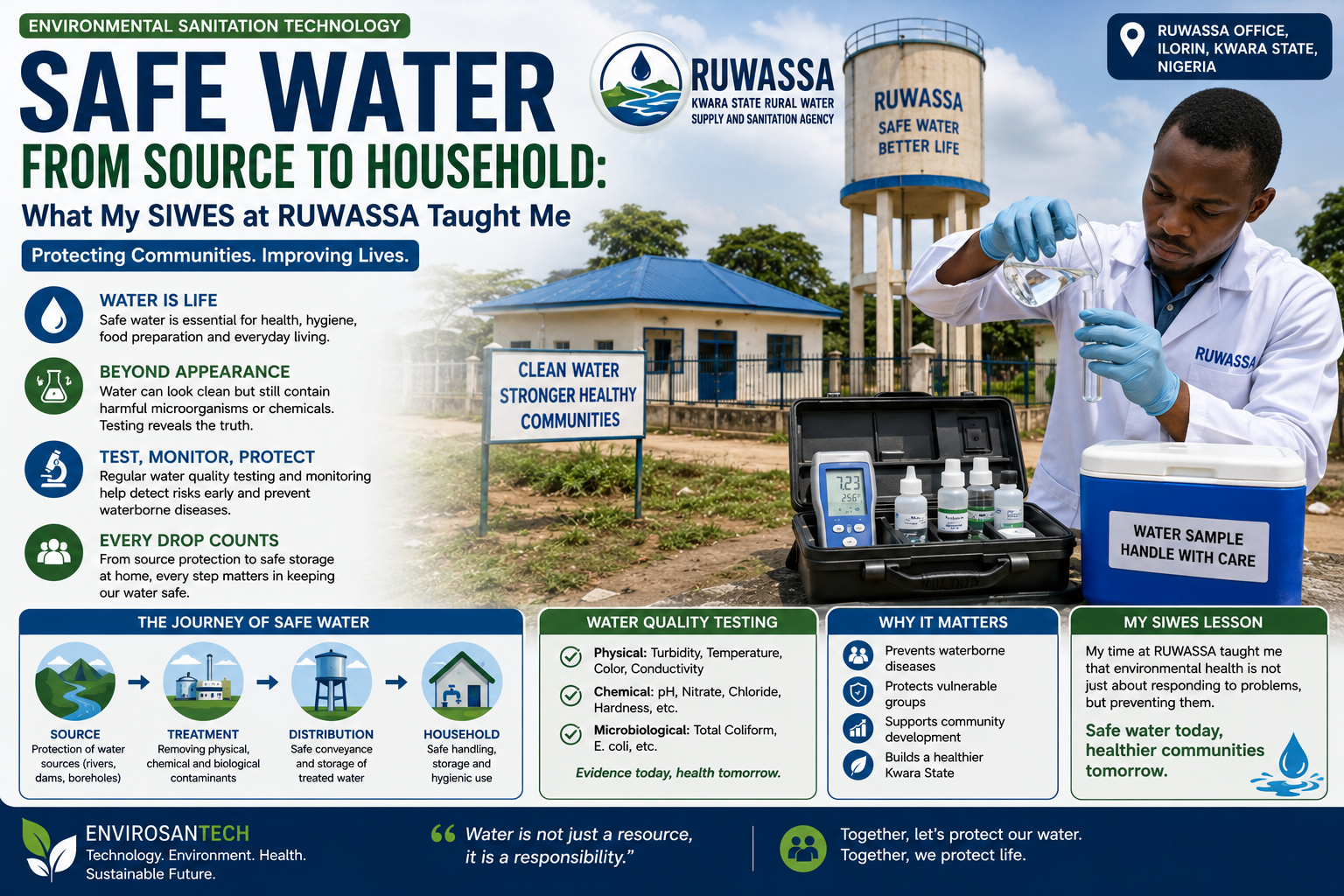
During our classes, one thing that became clear to me was that water safety cannot be judged simply by looking at water. A water sample may look acceptable while still requiring laboratory analysis before its quality can be properly assessed.
What I Was Taught in KWASU
Environmental Health is largely preventive.
Instead of waiting for people to become sick before investigating an environmental problem, the environmental health professional looks for hazards before they produce serious consequences.
Water is therefore assessed from several angles.
We learn to consider the source of the water, surrounding sanitary conditions, possible contamination routes, water handling practices and the intended use of the water.
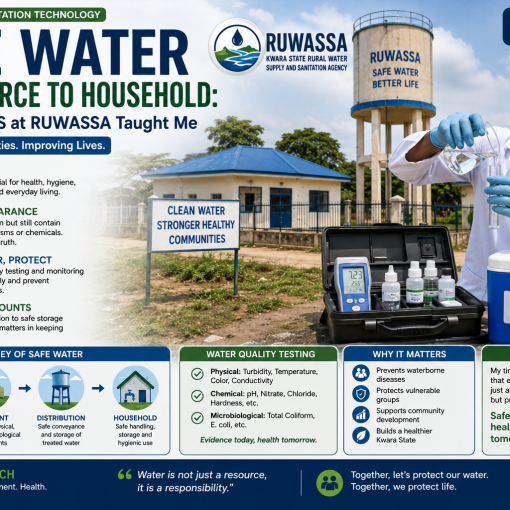
Water quality can also be investigated through physical, chemical and microbiological parameters.
This way of thinking changed how I look at water sources.
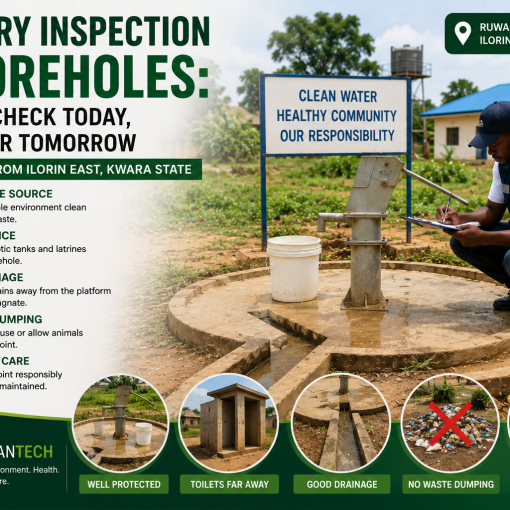
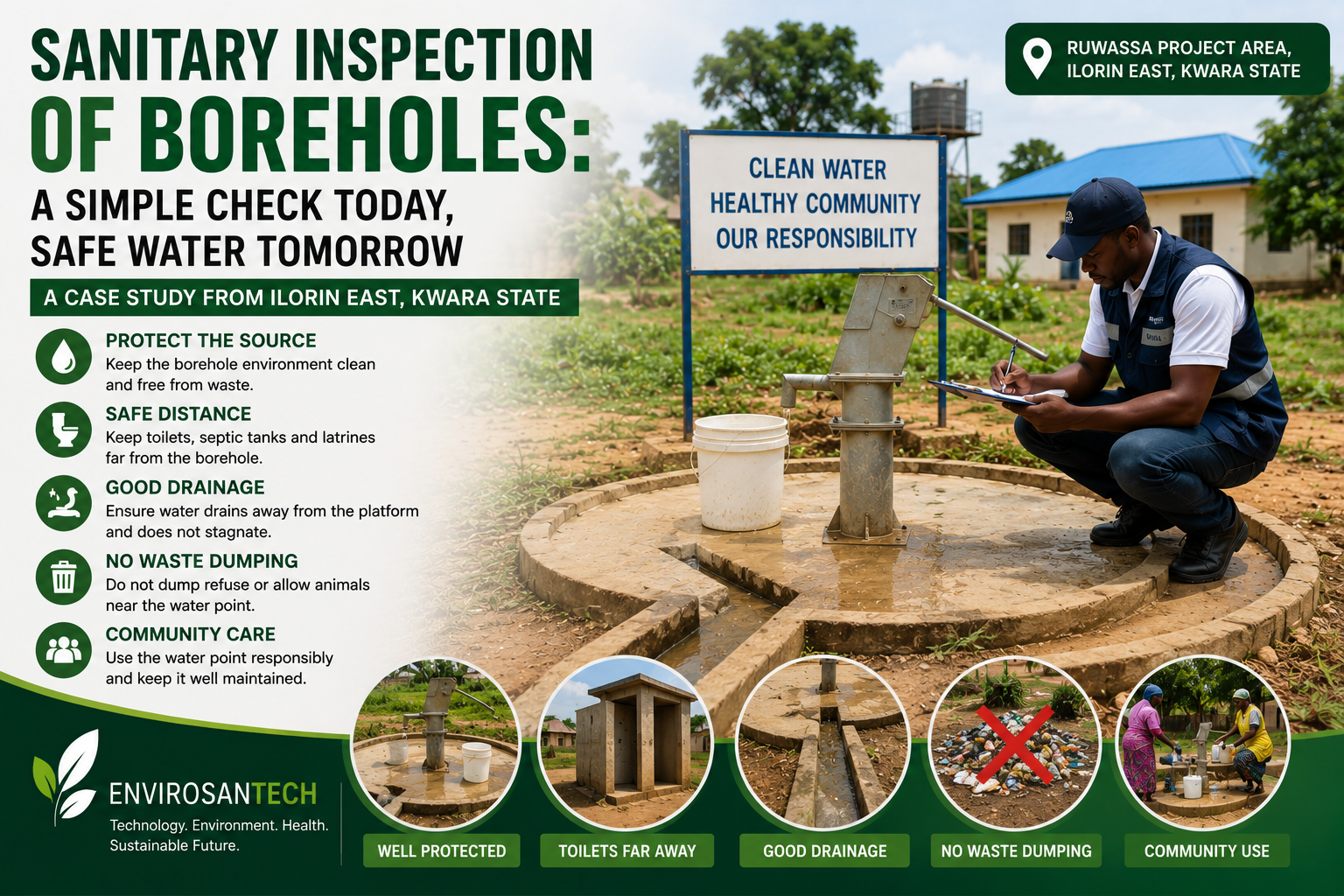
When I see a borehole, for example, I no longer look only at the pump and the water coming out. I am also interested in what is happening around the borehole: drainage, refuse, toilets, stagnant water and other possible sources of contamination.
That is the difference between simply seeing water and conducting an environmental-health assessment.
What I Have Seen in the Field
My field experiences, including my SIWES experience in Ruwassa, Kwara State, also helped connect these lessons with reality.
During environmental health activities, sanitary conditions around water sources matter because contamination can occur through the surrounding environment.
A water source may have a good-looking platform, but poor drainage around it can allow dirty water to accumulate. Waste dumped nearby can become another potential source of contamination. A sanitation facility that is poorly located or poorly maintained can also create risks depending on the local conditions.
These observations are why sanitary inspection is important.
The environmental health professional is essentially asking:
What can contaminate this water source, and how can that contamination reach the people using it?
That question is more useful than simply asking whether the water looks clean.
The Asa River: A Local Case Study
The Asa River provides a useful example of water-quality concerns in Ilorin.
A 2022 study by Solihu and Bilewu investigated the effects of human activities on the water quality of the Asa River around Amilengbe in Ilorin, Kwara State. The researchers collected 16 samples over four months from upstream and downstream locations and examined physicochemical and microbial parameters.
The researchers reported that several water-quality parameters were significantly higher downstream than upstream, with the study concluding that anthropogenic activities were affecting the river. They also found that the river, in its assessed condition, was suitable for agricultural purposes but not suitable for drinking without treatment.
That finding is important because it shows why we should be careful when describing water as simply “good” or “bad.”
Water quality is related to purpose.
Water considered suitable for irrigation is not automatically suitable for drinking.
Where Does the Pollution Come From?
Urbanisation can put increasing pressure on water bodies.
As communities expand, more houses, shops, workshops, roads and other activities are established around existing environmental resources.
Wastewater from homes and businesses can eventually enter drains and water bodies if it is not appropriately managed.
Agricultural activities can introduce fertilisers, pesticides, animal waste and soil into surface water through runoff.
Solid waste is another visible problem.
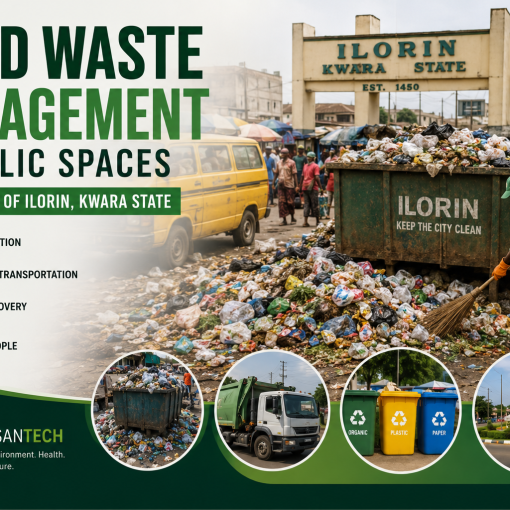
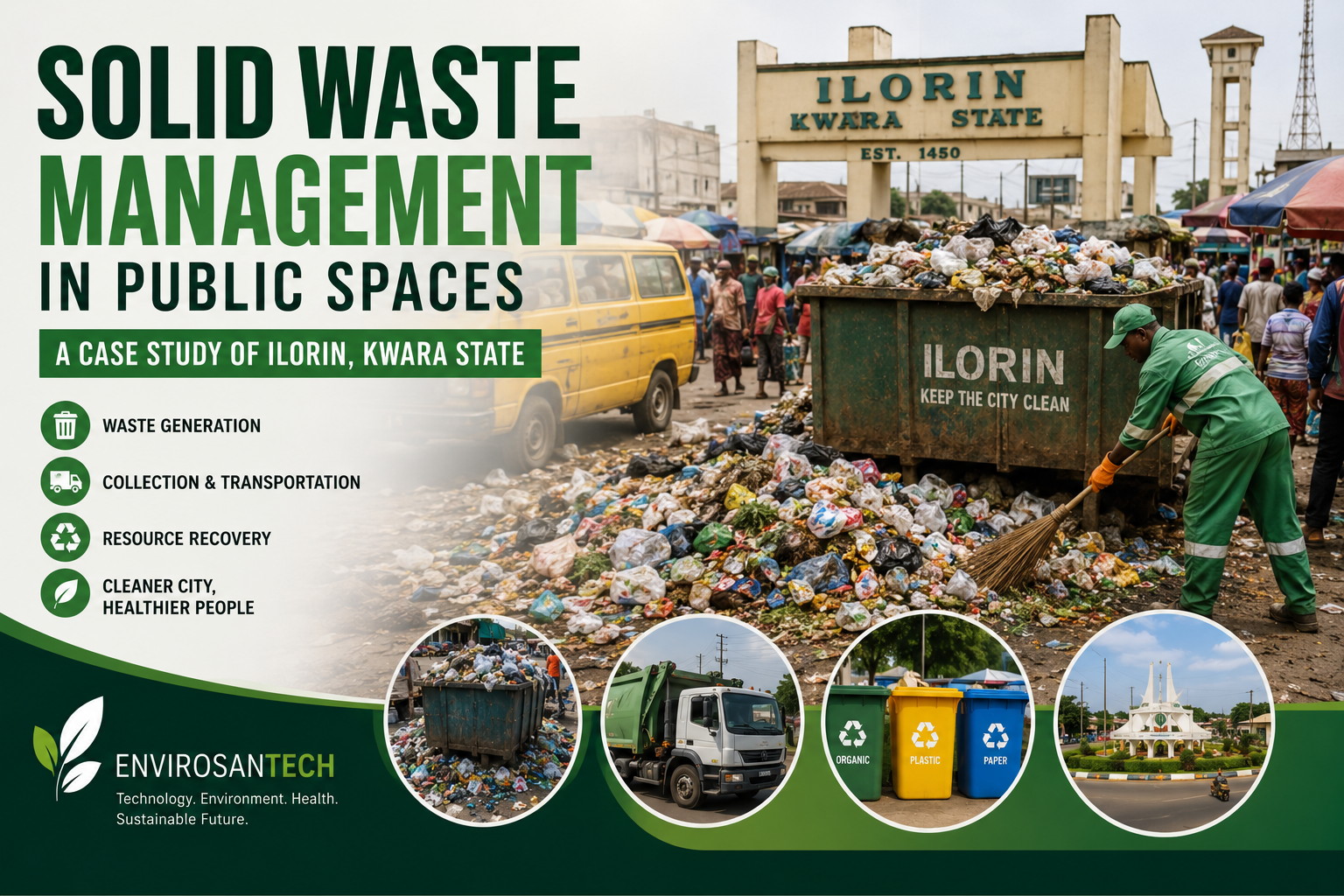
During field observations, it is difficult to ignore the relationship between waste disposal and drainage. Plastic packaging, food waste and other refuse can accumulate in places where they should not be.
Kwara State Environmental Protection Agency (KWEPA) has specifically warned residents against dumping refuse into drainages. In April 2025, the agency said blocked drainage could cause water to find its way into areas where it could destroy lives and property. It also encouraged residents to use registered waste collectors and provide appropriate waste bins (KWEPA, 2025).
This is an important local example of how waste management and water management are connected.
Water Pollution and Flooding Are Different
It is important not to mix up the two.
Water pollution is not flooding.
Flooding is the overflow or accumulation of water in areas where it causes damage or disruption.
Water pollution is the contamination of water.
However, poor waste management can connect them.
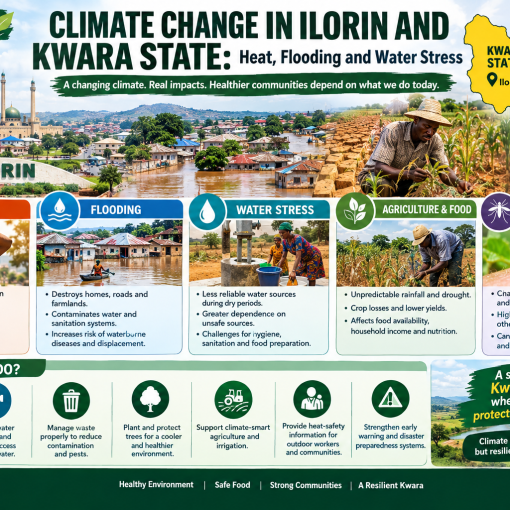
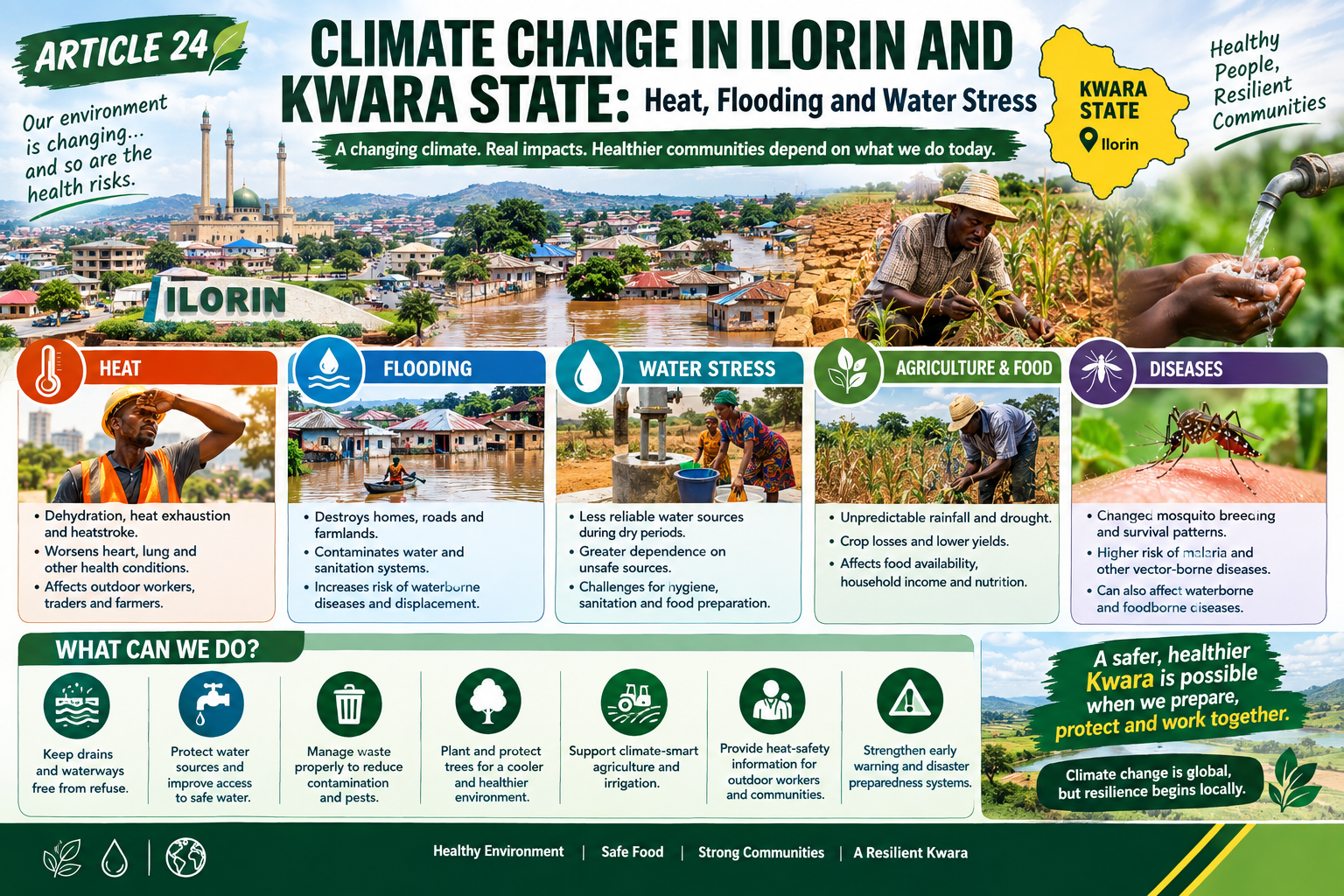
When refuse is dumped into drainage channels, the waste can obstruct the movement of stormwater. During heavy rainfall, blocked drainage can increase the risk of localised flooding. The floodwater can then pick up additional waste, faecal matter and other contaminants.
KWEPA’s warning in Ilorin illustrates this connection clearly: the agency linked indiscriminate dumping in drainage channels with obstruction of water flow and flooding (KWEPA, 2025).
Therefore, pollution does not need to cause a flood directly for poor pollution control to make a flood situation worse.
Why Sanitary Inspection Matters
One of the practical lessons from Environmental Health is that prevention starts with identifying hazards.
For a borehole, sanitary inspection may involve observing the condition of the platform, drainage, nearby sanitation facilities, refuse disposal practices and other environmental factors.
This does not replace laboratory water-quality testing.
Instead, it helps identify possible contamination risks that may need to be corrected.
The World Health Organization recommends a risk-based approach to drinking-water safety, including identifying hazards from the water catchment through to the consumer and managing those risks through water-safety planning and surveillance (WHO, 2026).
That principle fits closely with the preventive approach we are taught in Environmental Health.
Groundwater Also Needs Protection
People sometimes assume that groundwater is automatically safe because it is underground.
That is not necessarily true.
Groundwater can become contaminated when pollutants move through the surrounding soil and reach the groundwater system.
Potential sources can include poorly managed sanitation facilities, waste dumps, contaminated surface water and some agricultural or industrial activities.
This is why the environment around a borehole or well matters.
During sanitary inspection, the question is not simply:
“Is this borehole producing water?”
The better question is:
“What environmental conditions exist around this borehole that could threaten the quality of the water?”
What Can Ilorin Do Better?
Water pollution management should begin before contamination becomes severe.
First, refuse should not be dumped into drains, streams or rivers.
Second, domestic and industrial wastewater should be appropriately managed rather than discharged indiscriminately.
Third, sanitation facilities should be properly constructed, located and maintained.
Fourth, water sources should be protected from nearby contamination.
Fifth, water-quality monitoring should be carried out where necessary.
Finally, environmental laws and regulations need to be enforced alongside public education.
The responsibility cannot belong entirely to government agencies.
Residents also have a role because many environmental problems begin with everyday decisions.
The Role of Environmental Health Professionals
Environmental health professionals occupy an important position between the environment and public health.
Their work can involve inspection, surveillance, health education, sanitation, waste management and identification of environmental hazards.
Water pollution therefore fits directly into environmental health practice.
My training at KWASU has helped me understand why environmental problems should be approached systematically rather than emotionally.
Seeing refuse around a river may generate concern, but the professional question goes further:
- Where is the waste coming from?
- What contaminants may be present?
- Who is exposed?
- What route connects the pollutant to people?
- What can be done at the source?
- How can the situation be monitored?
These questions turn an observation into an environmental-health assessment.
Conclusion
Water pollution is not simply the story of a dirty river.
It is a chain involving human activities, environmental conditions, sanitation, waste management, water quality and public health.
The Asa River study in Amilengbe provides scientific evidence of the effect of human activities on water quality in Ilorin and shows why water intended for drinking requires appropriate treatment and protection.
My Environmental Health Science education has also taught me that prevention begins with identifying hazards before they become health problems. My field experiences have made that lesson more practical: a water source cannot be considered in isolation from the environment around it.
For Ilorin, protecting water means more than cleaning a river after it becomes polluted.
It means managing waste properly, controlling wastewater, protecting boreholes and wells, maintaining sanitation, monitoring water quality and educating communities.
Clean water begins long before the water reaches the cup. It begins with how we manage the environment around its source.
References
- Solihu, H., & Bilewu, S. O. (2022). Assessment of anthropogenic activities impacts on the water quality of Asa River: A case study of Amilengbe area, Ilorin, Kwara State, Nigeria. Environmental Challenges, 7, 100473.
- World Health Organization. (2023). Drinking-water. WHO.
- World Health Organization. (2026). Guidelines for drinking-water quality: Fourth edition incorporating the first, second and third addenda.
- World Health Organization. Drinking-water quality guidelines. WHO Water, Sanitation and Health.
- Kwara State Government/KWEPA. (2025). KWEPA Warns Residents Against Dumping of Refuse in Drainages.