Climate change is no longer a distant environmental concern. Its effects are increasingly relevant to how people live, work, grow food, access water and protect their health. Across Nigeria, communities face climate-related challenges such as extreme heat, flooding, drought, changing rainfall patterns and pressure on agricultural production. Although no single community can solve climate change alone, practical actions by individuals, local authorities, businesses and the national government can reduce risks and build resilience.
From an Environmental Health perspective, the goal is not only to protect the environment but also to protect the people who depend on it. The World Health Organization (WHO) identifies climate change as a major threat to human health because it affects the environmental and social conditions necessary for healthy living (WHO, 2023).
Understanding adaptation and mitigation
Before discussing solutions, it is important to understand two key terms: adaptation and mitigation.
Climate adaptation means adjusting to actual or expected climate impacts to reduce harm. Examples include improving drainage systems to manage flooding, developing heat-warning systems and helping farmers prepare for changing rainfall.
Climate mitigation means reducing the causes of climate change, mainly by lowering greenhouse gas emissions or increasing the removal of carbon dioxide from the atmosphere. Examples include expanding renewable energy, improving energy efficiency, protecting forests and reducing methane emissions.
Nigeria needs both approaches. Adaptation helps communities cope with climate risks already affecting them, while mitigation helps limit the severity of future climate change. The Intergovernmental Panel on Climate Change (IPCC) stresses that climate-resilient development requires coordinated action across energy, land use, infrastructure, health and other sectors (IPCC, 2023).
1. Improve drainage and prepare for flooding
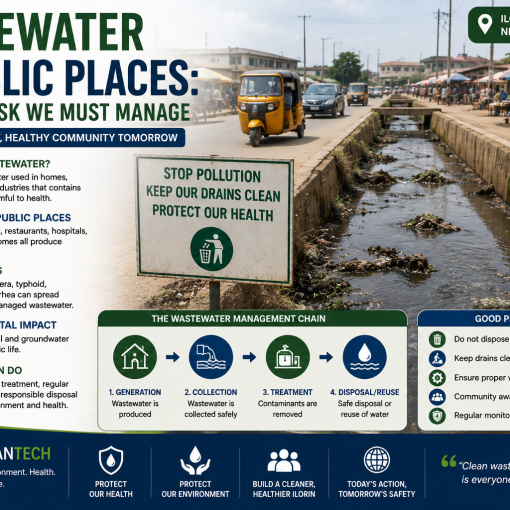
Flooding can destroy homes, damage roads, displace families, contaminate water supplies and damage farms. In urban areas, blocked drains and building on natural waterways can worsen the consequences of heavy rainfall.
In Ilorin and other Nigerian towns, flood-risk reduction requires regular drainage maintenance, appropriate urban planning, protection of waterways and proper solid-waste management. Residents should avoid dumping refuse into drains, while local authorities should maintain drainage channels and enforce development rules.
Flood-prone communities also need reliable early-warning information, evacuation plans and designated safe locations. People should not attempt to cross fast-moving floodwater, and drinking-water sources affected by floods should be assessed and treated appropriately before use.
The Nigerian government has recognised the importance of flood preparedness and environmental management, but effective implementation requires cooperation between authorities and residents (Federal Ministry of Environment, 2021).
2. Protect communities from extreme heat
Rising temperatures create risks for outdoor workers, older people, children and individuals whose health makes them more vulnerable to heat.
Farmers, construction workers, sanitation workers and street traders may spend long periods outdoors. Excessive heat can cause dehydration, heat exhaustion and potentially life-threatening heatstroke.
Communities can reduce these risks by providing shaded public spaces, planting and maintaining suitable trees, improving building ventilation and promoting access to safe drinking water. Employers should allow appropriate rest breaks and adjust demanding outdoor work where possible during periods of extreme heat.
Individuals can also wear lightweight clothing, drink water regularly and seek cooler environments when temperatures become excessive. Anyone experiencing confusion, collapse or other signs of severe heat illness needs urgent medical attention.
WHO recommends heat-health action plans, public warnings and measures to protect vulnerable populations from extreme heat (WHO, 2024).
3. Make agriculture more climate-resilient
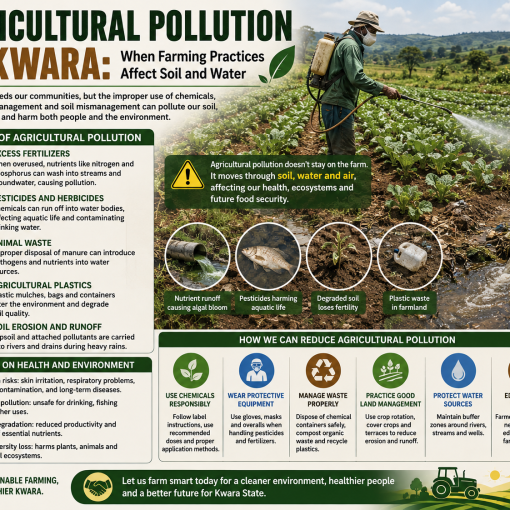
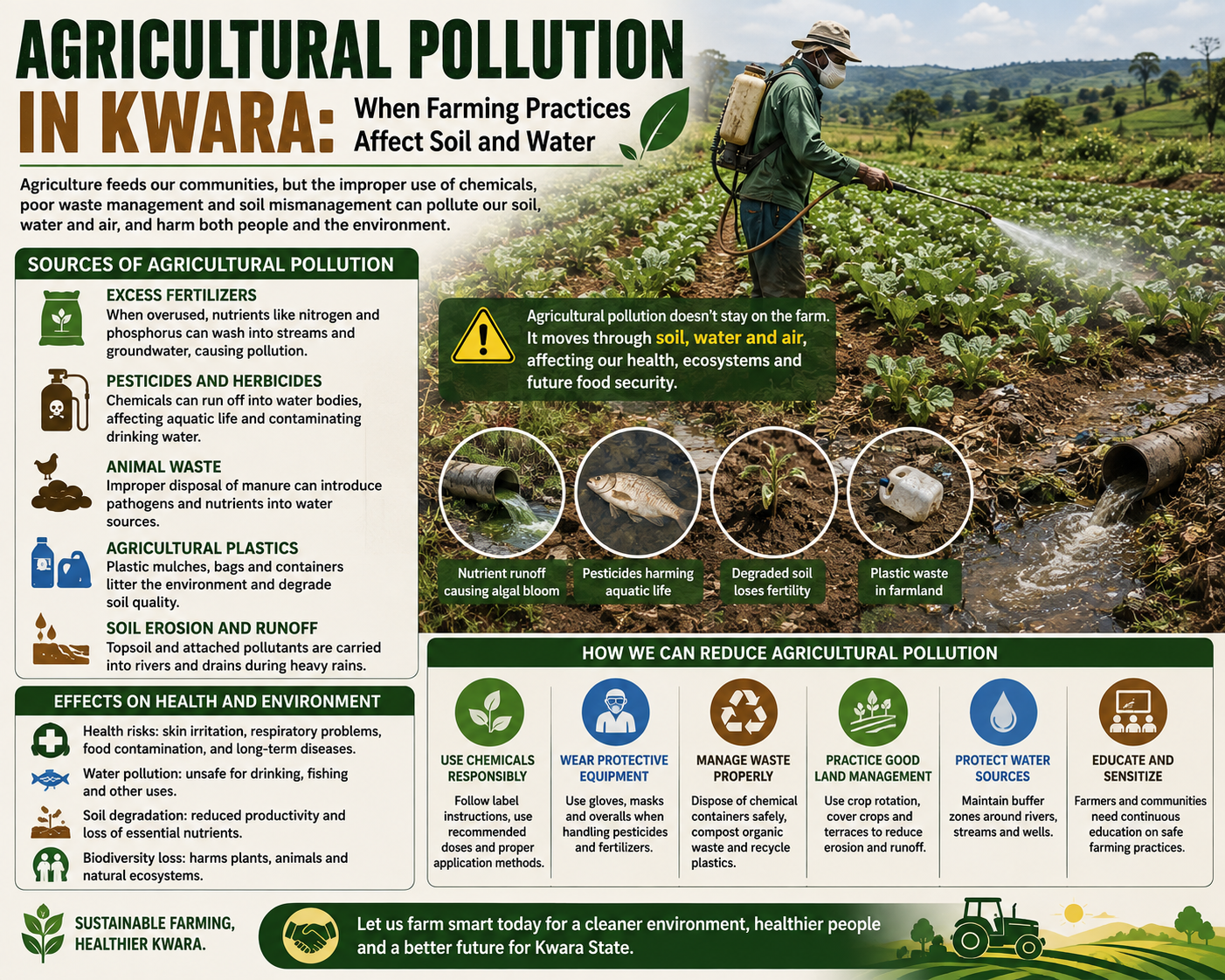
Agriculture supports the livelihoods of millions of Nigerians, but changing rainfall, drought, floods and extreme temperatures can disrupt production.
Farmers can adapt by diversifying crops, using suitable drought- or heat-tolerant varieties, improving soil management and adopting water-efficient irrigation where feasible. Agroforestry, which combines trees with crops or livestock, may also provide shade, help protect soils and support biodiversity when appropriately planned.
Access to seasonal forecasts and local agricultural advice is equally important. Farmers who receive reliable information about expected rainfall can make better-informed decisions about planting and harvesting.
In Kwara State, where many farming activities depend on rainfall, improving water management and soil conservation can help reduce vulnerability to dry spells and erosion.
These measures should be supported by agricultural extension services, research institutions, accessible financing and infrastructure for storing and transporting produce. Adaptation is more difficult when farmers lack the resources to implement it (FAO, 2022).
4. Protect water supplies and sanitation
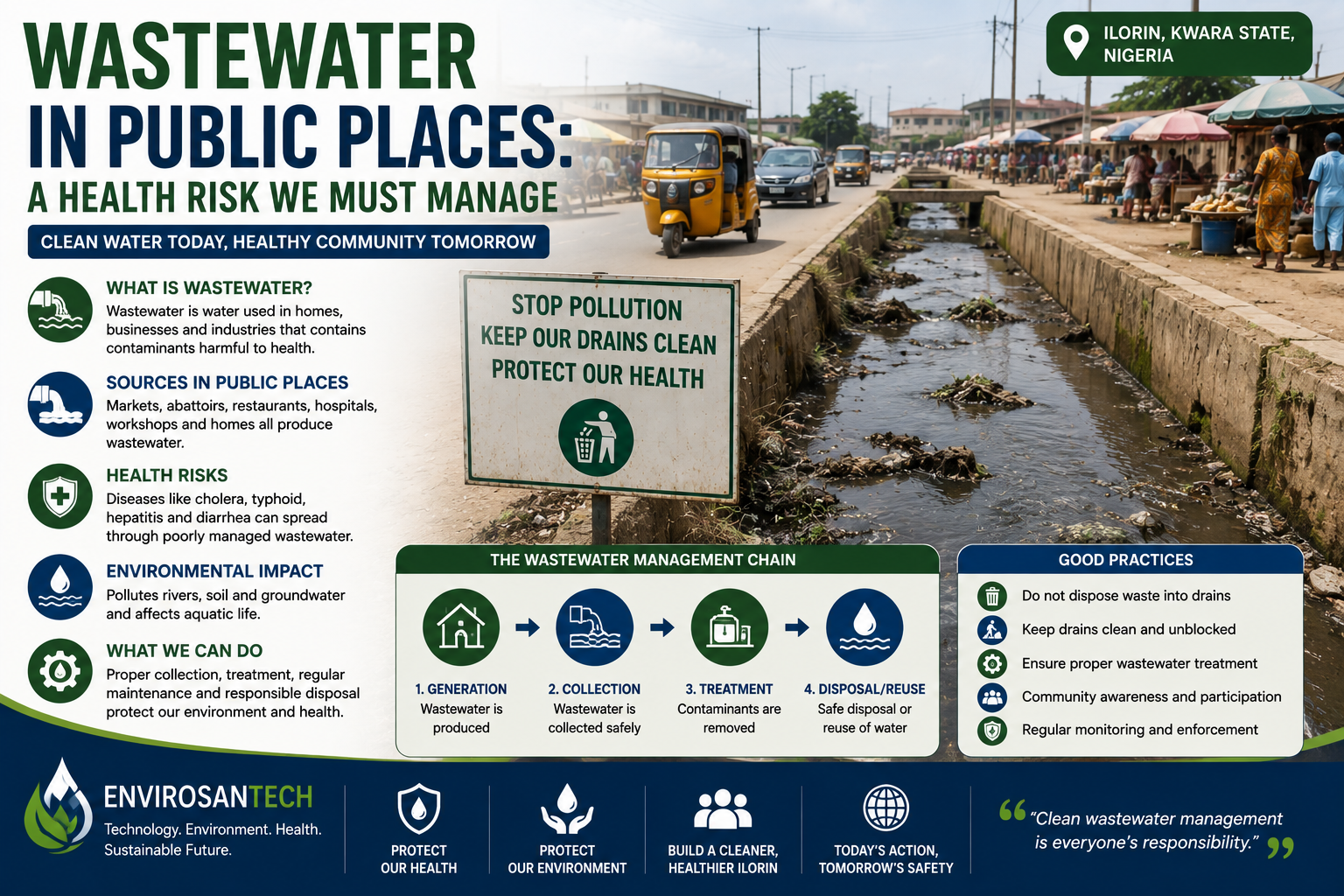
Climate change can contribute to water insecurity through drought, changing rainfall and floods that contaminate water sources. Safe water and sanitation are therefore essential parts of climate resilience.
Communities should protect wells and boreholes from contamination, maintain water infrastructure, repair leaking pipes and use safe water-storage containers. Flood-prone areas need sanitation systems designed to reduce the risk of sewage entering homes, streets and water supplies.
Local authorities and water providers should assess climate risks when planning new infrastructure. Rainwater harvesting may supplement water supplies where appropriate, provided that collection systems are properly maintained and stored water is treated when necessary.
Environmental Health professionals can contribute through sanitary inspections, water-quality monitoring, hygiene education and surveillance of conditions that may increase the risk of waterborne disease.
5. Reduce waste and adopt cleaner energy
Climate mitigation also begins with everyday choices, although larger changes in energy and infrastructure are necessary to achieve substantial reductions in emissions.
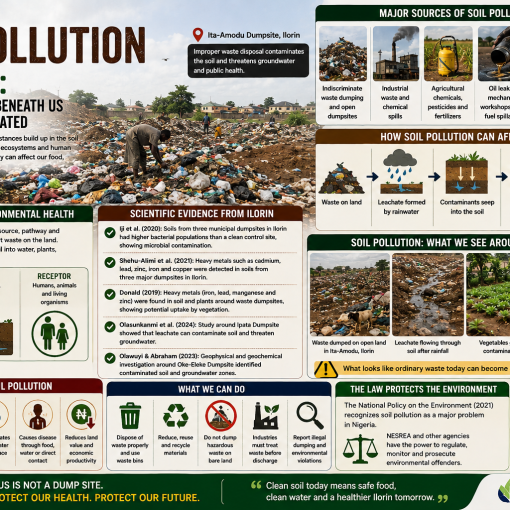
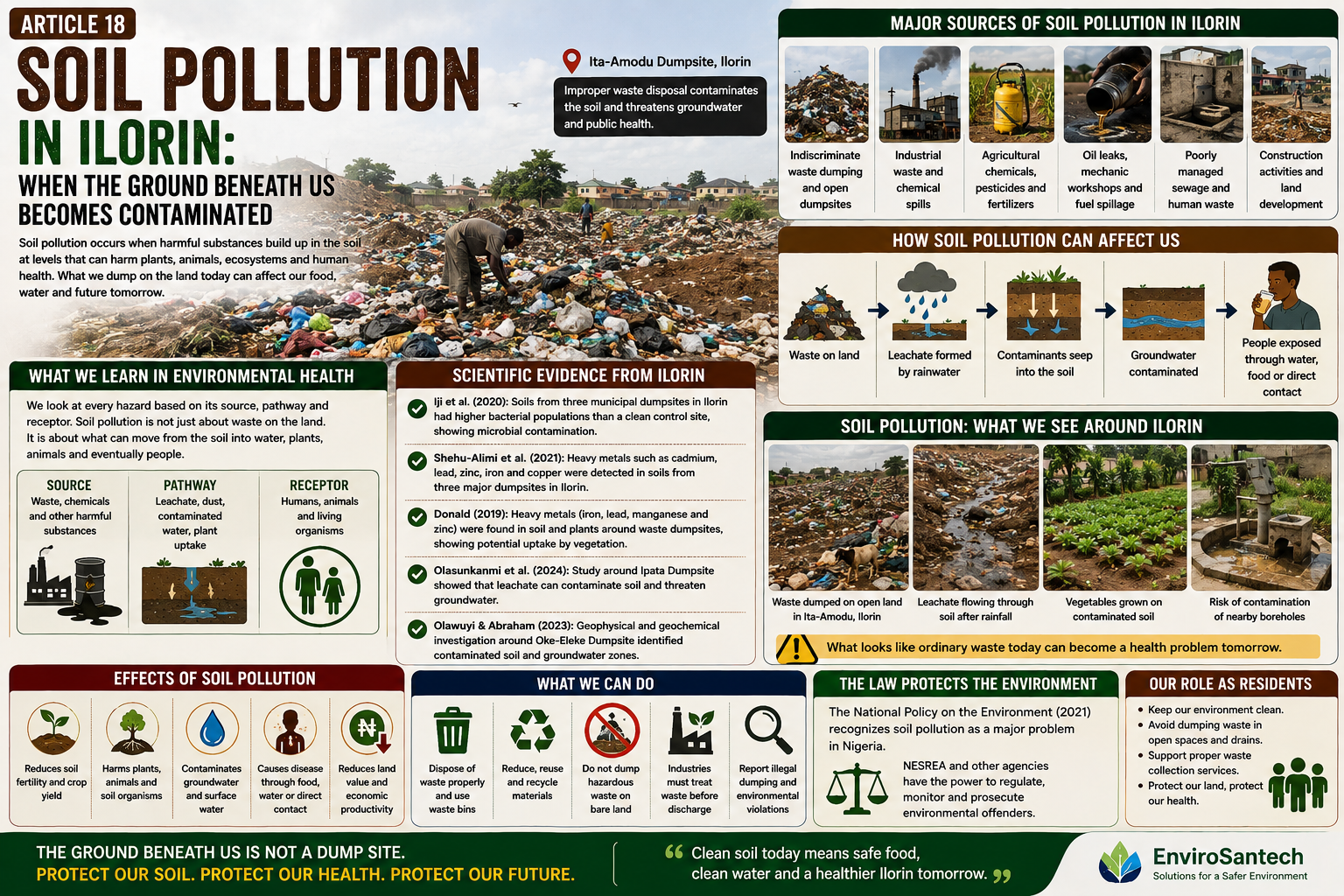
Open burning of refuse produces air pollutants and releases greenhouse gases. Better waste collection, recycling, composting of suitable organic waste and controlled disposal can reduce environmental harm. Organic waste management can also help limit methane emissions when systems are properly designed and operated.
Nigeria can further reduce emissions by expanding reliable renewable energy, improving energy efficiency, supporting cleaner transport and reducing unnecessary fuel consumption.
Households and businesses can contribute by avoiding open waste burning, maintaining energy-efficient appliances and choosing cleaner energy options where affordable and available. However, responsibility should not fall on individuals alone. Governments and businesses must provide the infrastructure and policies that make cleaner choices practical.
The IPCC identifies rapid reductions in greenhouse gas emissions across energy, transport, industry, buildings and land use as necessary to limit future warming (IPCC, 2023).
6. Protect trees, soil and natural ecosystems
Forests, wetlands and healthy soils provide benefits that can strengthen climate resilience. Trees absorb carbon dioxide, provide shade and help protect soil. Wetlands can store water and support biodiversity, although their ability to reduce flood impacts depends on their condition and the wider landscape.
Communities can support appropriate tree planting, protect existing vegetation and prevent unnecessary destruction of natural habitats. Tree-planting programmes should use suitable species and include plans for maintenance; planting trees without ensuring their survival will deliver limited benefits.
Farmers can reduce soil erosion through practices such as maintaining ground cover, using suitable crop rotations and managing slopes carefully. Local environmental programmes should also discourage indiscriminate clearing and activities that degrade land and waterways.
Nature-based solutions work best when they are adapted to local conditions and combined with sound infrastructure and land-use planning.
7. Strengthen environmental health education and early warning
Climate resilience depends partly on whether people understand the risks they face and know how to respond.
Environmental Health officers, health workers, teachers, community leaders and the media can help communicate accurate information about extreme heat, flooding, water safety, sanitation and disease prevention.
Early-warning messages should be understandable, timely and accessible to people who may not have reliable internet access. Community emergency plans should consider children, older adults, people with disabilities and households with limited resources.
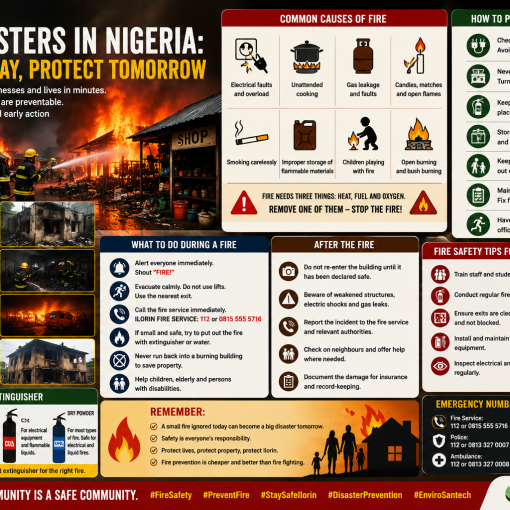
Climate information should also inform public-health planning. For example, flood warnings can trigger preparations to protect drinking-water supplies and sanitation facilities, while heat alerts can prompt advice for outdoor workers and vulnerable residents.
WHO recommends integrating health considerations into climate adaptation planning so that health services and communities can better anticipate and manage climate-related risks (WHO, 2023).
8. Make climate action fair and inclusive
Not everyone has the same ability to prepare for climate change. A household with savings, secure housing and reliable water access may recover from a flood more easily than a household living in a flood-prone settlement with limited resources.
Climate policies should therefore prioritise communities facing the greatest risks. Affordable resilient housing, reliable public services, agricultural support, emergency assistance and accessible health care can all strengthen resilience.
Women, children, older adults, people with disabilities and low-income households should be included in planning and decision-making rather than treated merely as recipients of assistance.
Adaptation programmes must also be monitored to determine whether they are reducing risks or unintentionally creating new problems for vulnerable communities.
Conclusion
Fighting climate change requires more than occasional environmental campaigns. Nigeria needs sustained action that combines emission reductions with practical measures to protect people from climate impacts.
Better drainage, heat protection, climate-resilient agriculture, safe water, improved waste management, ecosystem protection, early-warning systems and public education can all contribute to safer communities.
As Environmental Health professionals understand, the environment and human health are closely connected. Protecting water, food, air, housing and sanitation is therefore an important part of climate action.
Climate change is a global challenge, but resilience begins with informed decisions and practical action in our own communities. With effective leadership, adequate resources and public participation, Nigeria can reduce climate risks and build a healthier, more resilient future.
References
1. Food and Agriculture Organization of the United Nations (FAO). (2022). The State of the World’s Land and Water Resources for Food and Agriculture: Systems at Breaking Point.
2. Intergovernmental Panel on Climate Change (IPCC). (2023). Climate Change 2023: Synthesis Report.
3. Federal Ministry of Environment, Nigeria. (2021). National Climate Change Policy for Nigeria 2021–2030.
4. World Health Organization (WHO). (2023). Climate Change and Health.
5. World Health Organization (WHO). (2024). Heat and Health.